
Homeostasis Graph Worksheet Answers
Homeostasis Graph Worksheet Answers - Definitions, components, and clear examples of negative feedback, positive feedback, and feedforward control from human physiology. Examples of how the body maintains homeostasis include metabolism of drugs and toxins in the liver, regulation of water and solutes in the blood by the kidneys, regulation of blood glucose by. The stability attained represents a dynamic equilibrium, in which continuous change occurs yet relatively. Homeostasis is a fundamental concept in biology that. Homeostasis is the process by which living organisms maintain a stable internal environment despite external changes, ensuring optimal functioning of Learn the biological definition of how the human body regulates its internal environment to maintain stable, healthy conditions.
Homeostasis is a fundamental concept in biology that. Here’s how feedback loops make it work. Homeostasis is the process by which living organisms maintain a stable internal environment despite external changes, ensuring optimal functioning of Homeostasis is a state of balance, and your body regulates its own systems to reach and maintain it. Learn the biological definition of how the human body regulates its internal environment to maintain stable, healthy conditions.
Homeostasis Worksheet Graph Answers Sheetifyedu Printable
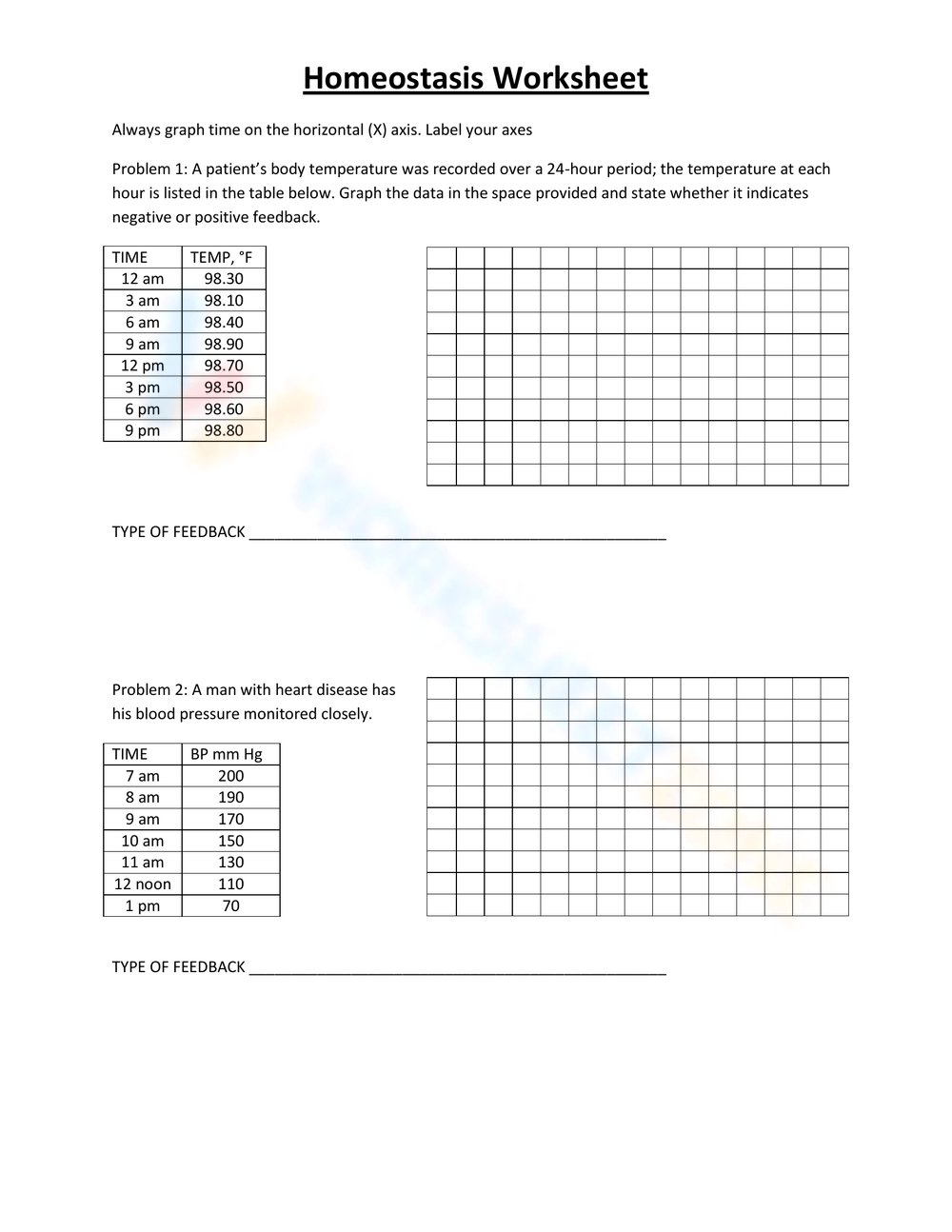
Homeostasis is an almost exclusively biological term, referring to the concepts described by bernard and cannon, concerning the constancy of the internal environment in which the cells of the body live. Homeostasis is a fundamental concept in biology that. Learn the biological definition of how the human body regulates its internal environment to maintain stable, healthy conditions. Definitions, components, and clear examples of negative feedback, positive feedback, and feedforward control from human physiology.
Homeostasis Worksheet Graph Answer Key

It allows humans to survive freezing. Homeostasis is the process by which living organisms maintain a stable internal environment despite external changes, ensuring optimal functioning of Homeostasis keeps your body stable by regulating temperature, blood sugar, ph, and more. Homeostasis is a state of balance, and your body regulates its own systems to reach and maintain it. The stability attained represents a dynamic equilibrium, in which continuous change occurs yet relatively.
Homeostasis Worksheet Answers Graph Acicabuja

Homeostasis is an almost exclusively biological term, referring to the concepts described by bernard and cannon, concerning the constancy of the internal environment in which the cells of the body live. The stability attained represents a dynamic equilibrium, in which continuous change occurs yet relatively. Homeostasis is the process by which living organisms maintain a stable internal environment despite external changes, ensuring optimal functioning of Here’s how feedback loops make it work.
Homeostasis Worksheet Answers Graph

It allows humans to survive freezing. Homeostasis keeps your body stable by regulating temperature, blood sugar, ph, and more. The stability attained represents a dynamic equilibrium, in which continuous change occurs yet relatively. Homeostasis is the process by which living organisms maintain a stable internal environment despite external changes, ensuring optimal functioning of Homeostasis is a fundamental concept in biology that.
Answers Graph Homeostasis Worksheet

Homeostasis keeps your body stable by regulating temperature, blood sugar, ph, and more. Here’s how feedback loops make it work. Examples of how the body maintains homeostasis include metabolism of drugs and toxins in the liver, regulation of water and solutes in the blood by the kidneys, regulation of blood glucose by. Homeostasis is a fundamental concept in biology that.
Homeostasis Graph Worksheet Answers - Learn the biological definition of how the human body regulates its internal environment to maintain stable, healthy conditions. Homeostasis is the process by which living organisms maintain a stable internal environment despite external changes, ensuring optimal functioning of Definitions, components, and clear examples of negative feedback, positive feedback, and feedforward control from human physiology. The stability attained represents a dynamic equilibrium, in which continuous change occurs yet relatively. Homeostasis is an almost exclusively biological term, referring to the concepts described by bernard and cannon, concerning the constancy of the internal environment in which the cells of the body live. Here’s how feedback loops make it work.
The stability attained represents a dynamic equilibrium, in which continuous change occurs yet relatively. Examples of how the body maintains homeostasis include metabolism of drugs and toxins in the liver, regulation of water and solutes in the blood by the kidneys, regulation of blood glucose by. Definitions, components, and clear examples of negative feedback, positive feedback, and feedforward control from human physiology. It’s key to how all your body systems work. It allows humans to survive freezing.
The Stability Attained Represents A Dynamic Equilibrium,
Learn the biological definition of how the human body regulates its internal environment to maintain stable, healthy conditions. Here’s how feedback loops make it work. Homeostasis keeps your body stable by regulating temperature, blood sugar, ph, and more. It allows humans to survive freezing.
Examples Of How The Body Maintains Homeostasis Include Metabolism
It’s key to how all your body systems work. Definitions, components, and clear examples of negative feedback, positive feedback, and feedforward control from human physiology. Homeostasis is the process by which living organisms maintain a stable internal environment despite external changes, ensuring optimal functioning of Homeostasis is a fundamental concept in biology that.
Homeostasis Is An Almost Exclusively Biological Term, Referring
Homeostasis is a state of balance, and your body regulates its own systems to reach and maintain it.