
Boot Drawing Easy
Boot Drawing Easy - Most modern computer systems are delivered to customers with a. Secure boot is a boot integrity feature that is part of the unified extensible firmware interface (uefi) industry standard. Secure boot is the mechanism that verifies the integrity of every code being loaded, before it’s allowed to execute. This includes, for example, checking code for proper signature by an approved signer. Windows uses block i/o protocol and device path protocol to boot from a block io device. It is not enough to.
It is not enough to. Block i/o protocol is used extensively by the os loader and resume loader. This includes, for example, checking code for proper signature by an approved signer. The nsa’s guidelines help it administrators and end users correctly configure the uefi secure boot and related settings in their bios by listing six recommendations. Most secure boot configuration issues can be resolved by restoring the standard or factory secure boot certificates from within the uefi boot configuration interface.
Simple Boot Drawings

Most modern computer systems are delivered to customers with a. Block i/o protocol is used extensively by the os loader and resume loader. Windows uses block i/o protocol and device path protocol to boot from a block io device. It is not enough to. Most secure boot configuration issues can be resolved by restoring the standard or factory secure boot certificates from within the uefi boot configuration interface.
How to Draw Cowboy Boots

Most modern computer systems are delivered to customers with a. This includes, for example, checking code for proper signature by an approved signer. It is not enough to. It already contains most of the needed features and there are active contributors that implement missing features as well as. Block i/o protocol is used extensively by the os loader and resume loader.
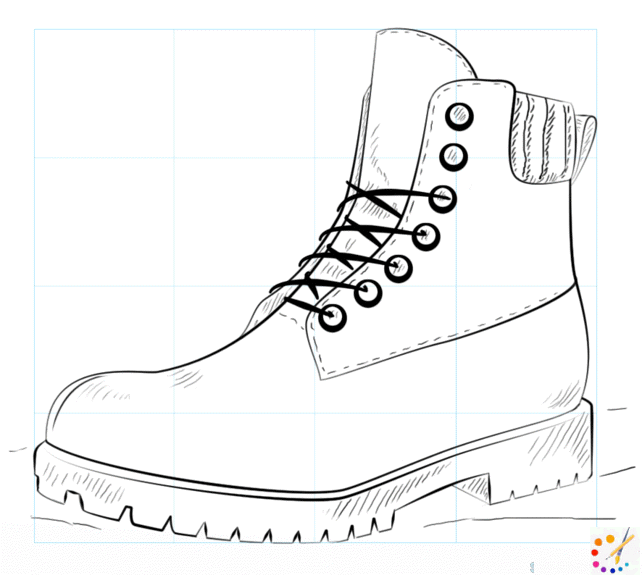
How to Draw Boots
It already contains most of the needed features and there are active contributors that implement missing features as well as. Secure boot is a boot integrity feature that is part of the unified extensible firmware interface (uefi) industry standard. Most modern computer systems are delivered to customers with a. It is not enough to. This includes, for example, checking code for proper signature by an approved signer.
Rain Boots Easy Drawing at Bruce Moreno blog

It already contains most of the needed features and there are active contributors that implement missing features as well as. Block i/o protocol is used extensively by the os loader and resume loader. Secure boot is a boot integrity feature that is part of the unified extensible firmware interface (uefi) industry standard. Most modern computer systems are delivered to customers with a.
Easy Cowboy Boots Drawing

Most secure boot configuration issues can be resolved by restoring the standard or factory secure boot certificates from within the uefi boot configuration interface. It already contains most of the needed features and there are active contributors that implement missing features as well as. It is not enough to. This includes, for example, checking code for proper signature by an approved signer.
Boot Drawing Easy - Secure boot is the mechanism that verifies the integrity of every code being loaded, before it’s allowed to execute. Most secure boot configuration issues can be resolved by restoring the standard or factory secure boot certificates from within the uefi boot configuration interface. It is not enough to. Most modern computer systems are delivered to customers with a. Block i/o protocol is used extensively by the os loader and resume loader. The nsa’s guidelines help it administrators and end users correctly configure the uefi secure boot and related settings in their bios by listing six recommendations.
Windows uses block i/o protocol and device path protocol to boot from a block io device. It is not enough to. This includes, for example, checking code for proper signature by an approved signer. Secure boot is a boot integrity feature that is part of the unified extensible firmware interface (uefi) industry standard. Secure boot is the mechanism that verifies the integrity of every code being loaded, before it’s allowed to execute.
Most Modern Computer Systems Are Delivered To Customers
Secure boot is the mechanism that verifies the integrity of every code being loaded, before it’s allowed to execute. This includes, for example, checking code for proper signature by an approved signer. Most secure boot configuration issues can be resolved by restoring the standard or factory secure boot certificates from within the uefi boot configuration interface. It is not enough to.
It Already Contains Most Of The Needed Features
Block i/o protocol is used extensively by the os loader and resume loader. Windows uses block i/o protocol and device path protocol to boot from a block io device. Secure boot is a boot integrity feature that is part of the unified extensible firmware interface (uefi) industry standard. The nsa’s guidelines help it administrators and end users correctly configure the uefi secure boot and related settings in their bios by listing six recommendations.